9/8/2025
Do Hard Things—Even If Your “Hard” Looks Easy to Others
Doing hard things isn’t about impressiveness but about stretching yourself through discomfort to build resilience and growth, whether that’s climbing a mountain or learning to bake bread. Embrace the challenge to discover who you can become.
Prefer to listen?
YouTube: Open on YouTube
This morning, I was reading “Do Hard Things”.
I paused, took a sip of coffee, and stared out the window.
My mind started drifting.
What does “do hard things” mean to me?
For most people, the ideas that bubble up are bold and ambitious:
- Climb a mountain.
- Run a marathon.
- Break a record.
- Start a company.
That’s where my mind went at first too.
But then, it landed somewhere completely unexpected.
Today, my “hard thing” was this:
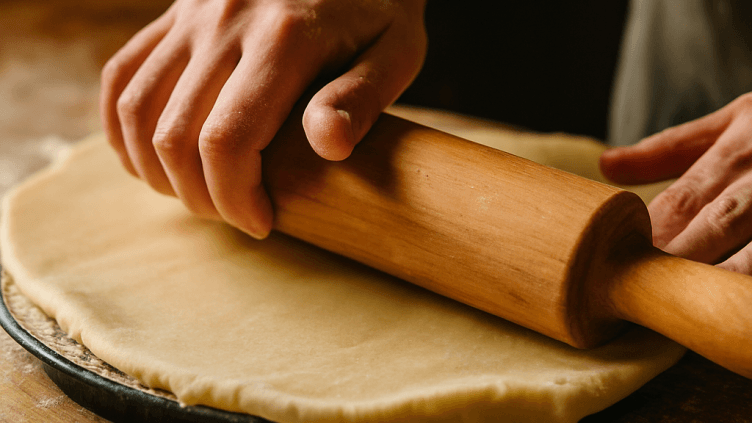
Taking out a rolling pin—and starting to bake.
Why Baking is My Hard Thing
Now, you might be thinking: Baking? That doesn’t sound hard at all.
But here’s why it is for me:
- Baking demands precision. Every measurement must be exact. No shortcuts.
- It requires patience. Hours pass between steps, and you can’t rush the process.
- It leaves little room for creativity. You can’t improvise—if you do, the whole thing collapses.
And those are all the things I naturally avoid.
I thrive on flexibility, iteration, moving fast, adjusting as I go.
Baking forces me to slow down, follow a process, and wait.
That’s what makes it uncomfortable.
That’s what makes it my hard thing.
The Essence of Doing Hard Things
Reading the book reminded me: doing hard things isn’t about scale—it’s about stretch.
For some, the mountain is literal. For others, it’s learning to play an instrument, running a first 5K, or—like me—learning to bake.
The point isn’t whether the challenge looks impressive from the outside.
The point is that it pushes you.
Doing hard things forces us into discomfort. And that’s where growth happens.
It builds resilience, adaptability, and grit.
It teaches us that uncomfortable doesn’t mean impossible—it means we’re standing at the edge of growth.
Why This Matters for Introverts
As introverts, many of us love comfort zones: structure, predictability, routines that keep us steady.
They help us thrive—but they can also keep us too safe.
When we take on hard things, we stretch those zones intentionally. We discover new layers of patience, courage, and resourcefulness.
And as leaders, that’s what makes us stronger.
How to Do Hard Things (Actionable Steps)
If you’re ready to lean into discomfort, here are a few ways to begin:
- Pick something small but hard for you.
It doesn’t have to impress anyone else. Choose something you usually avoid. - Aim for stretch, not overwhelm.
Hard things should challenge you, not break you. Discomfort is good; distress is not. - Stick with it long enough to feel the shift.
The first tries will feel awkward. Keep going until it feels a little less foreign. - Reflect on the growth.
Journal what you learned—not just about the task, but about your patience, persistence, or mindset. - Repeat the practice.
Growth compounds. The more you do hard things, the easier discomfort becomes.
Key takeaway: Doing hard things isn’t about the size or impressiveness of the challenge. It’s about embracing discomfort that stretches you, building resilience and growth in the process.
Final Thought
Doing hard things doesn’t always mean climbing mountains or running marathons.
Sometimes it’s something as ordinary—and surprisingly difficult—as baking bread.
Because the real point isn’t the size of the challenge.
It’s about pushing ourselves past what feels comfortable—and discovering who we can become in the process.
So here’s my challenge to you:
Pick one “hard thing” this month. It might be small. It might look easy to someone else. But if it stretches you, it counts.
Get comfortable being uncomfortable.
That’s where your growth lives.